- Specialty drugs can account for a large share of pharmacy costs.
- A few high-cost prescriptions can significantly affect plan spending.
- Drug prices, pharmacy fees, and rebates influence total costs.
- Reviewing specialty drug utilization helps identify spending trends.
- Claim-level reporting helps employers monitor PBM pricing and fees. Do you like this personality?
Specialty medications are used to treat complex, chronic, or rare conditions. They may require special handling, storage, or clinical support. These drugs often make up a small share of prescriptions but can account for a large part of a health plan's pharmacy costs. For self-funded employers, even a few expensive claims can affect the plan's overall spending. This makes it important to understand how specialty drugs are priced, covered, and distributed. Employers should also review how their pharmacy benefit manager (PBM) reports these claims. This guide explains the factors that affect Specialty Drug Spending and what employers should check.
Why Specialty Medications Can Have a Larger Cost Impact
Specialty medications are used to treat complex conditions and may need ongoing care or special handling. Their costs can be higher because of manufacturing requirements, limited competition, and the support needed during treatment. Even a small number of claims can affect a plan's pharmacy costs. This is why employers need to understand what contributes to specialty drug spending.
- Complex manufacturing and handling: Some specialty medicines, such as biologics, are difficult to manufacture. They may also need special storage or administration by a healthcare professional.
- Ongoing treatment: Some patients use specialty medications for long periods. Regular refills can add to plan costs over time, even when only a few members need the treatment.
- High-cost individual claims: A single specialty prescription can cost much more than a typical drug. A few High Cost Prescriptions can have a noticeable effect on monthly or annual plan spending.
- Limited alternatives: Some specialty drugs have few suitable alternatives. This can make it harder for employers to manage costs through other treatment options.
- Specialty pharmacy services: Certain medications require specialty pharmacies for storage, delivery, or patient support. Employers should check whether these services are included in the drug cost or charged separately.
What Drives Specialty Drug Costs in a Pharmacy Benefit
The amount a plan pays can depend on more than a drug’s list price. Pharmacy reimbursement, dispensing fees, network arrangements, member cost-sharing, and PBM contract terms can affect the final amount. Reviewing these details helps employers understand what is charged to the plan and what contributes to Specialty Drug Spending.
- List price and net cost: List price is not necessarily what the plan ultimately pays. Discounts, rebates, fees, and adjustments may affect net cost, so employers should review how each is calculated.
- Pharmacy reimbursement: The PBM contract should explain how specialty pharmacies are reimbursed and how the plan is charged. Comparing these amounts shows how individual claims are priced.
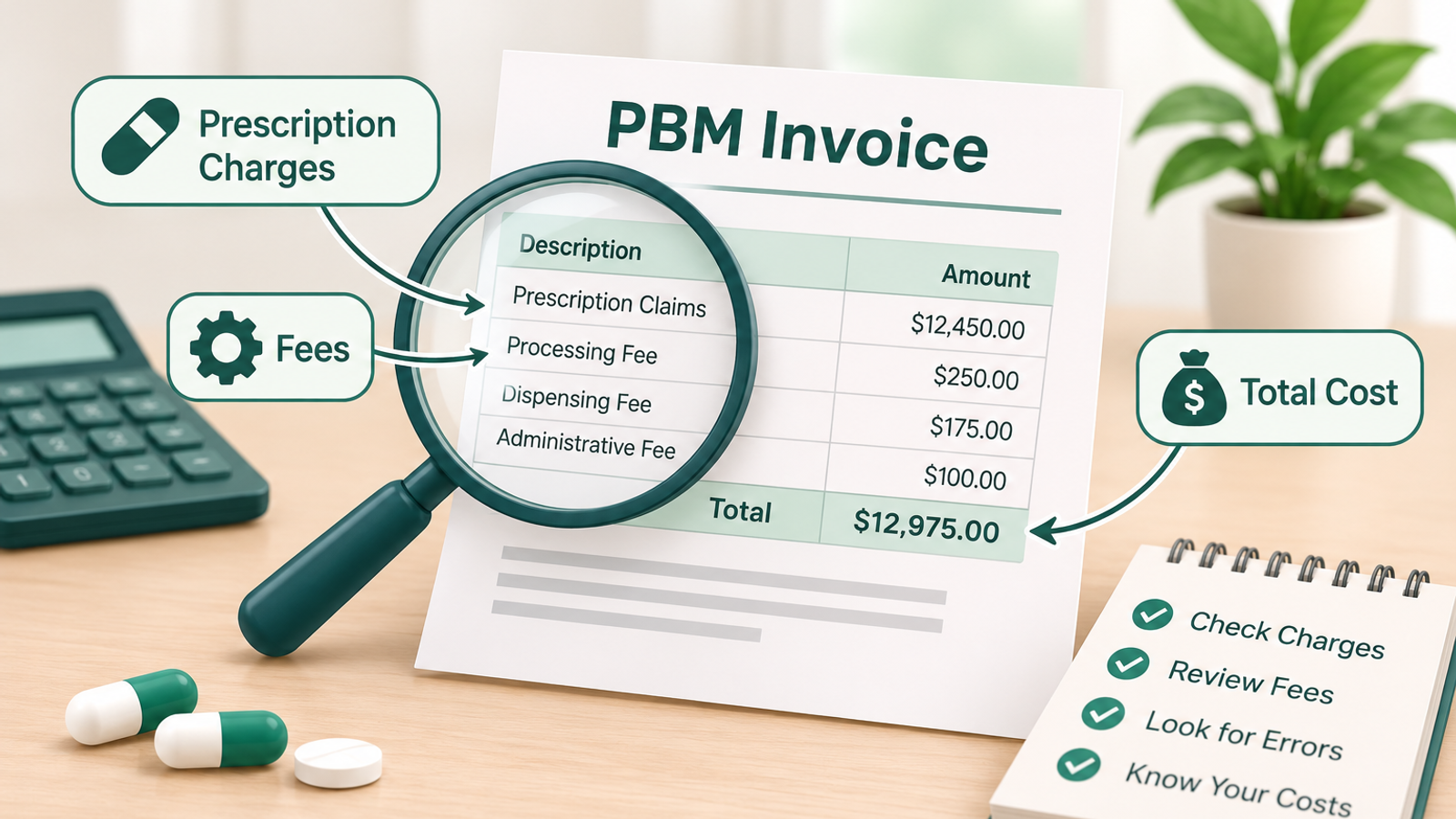
- Administrative fees: Specialty programs may involve clinical, dispensing, distribution, or administrative charges. Check whether these are included in the claim price or billed separately.
- Rebate arrangements: Manufacturer rebates may apply to certain medications, depending on the drug and contract. Employers should understand when rebates are received and how amounts are credited to the plan. See Kanurra’s PBM rebates page for more context.
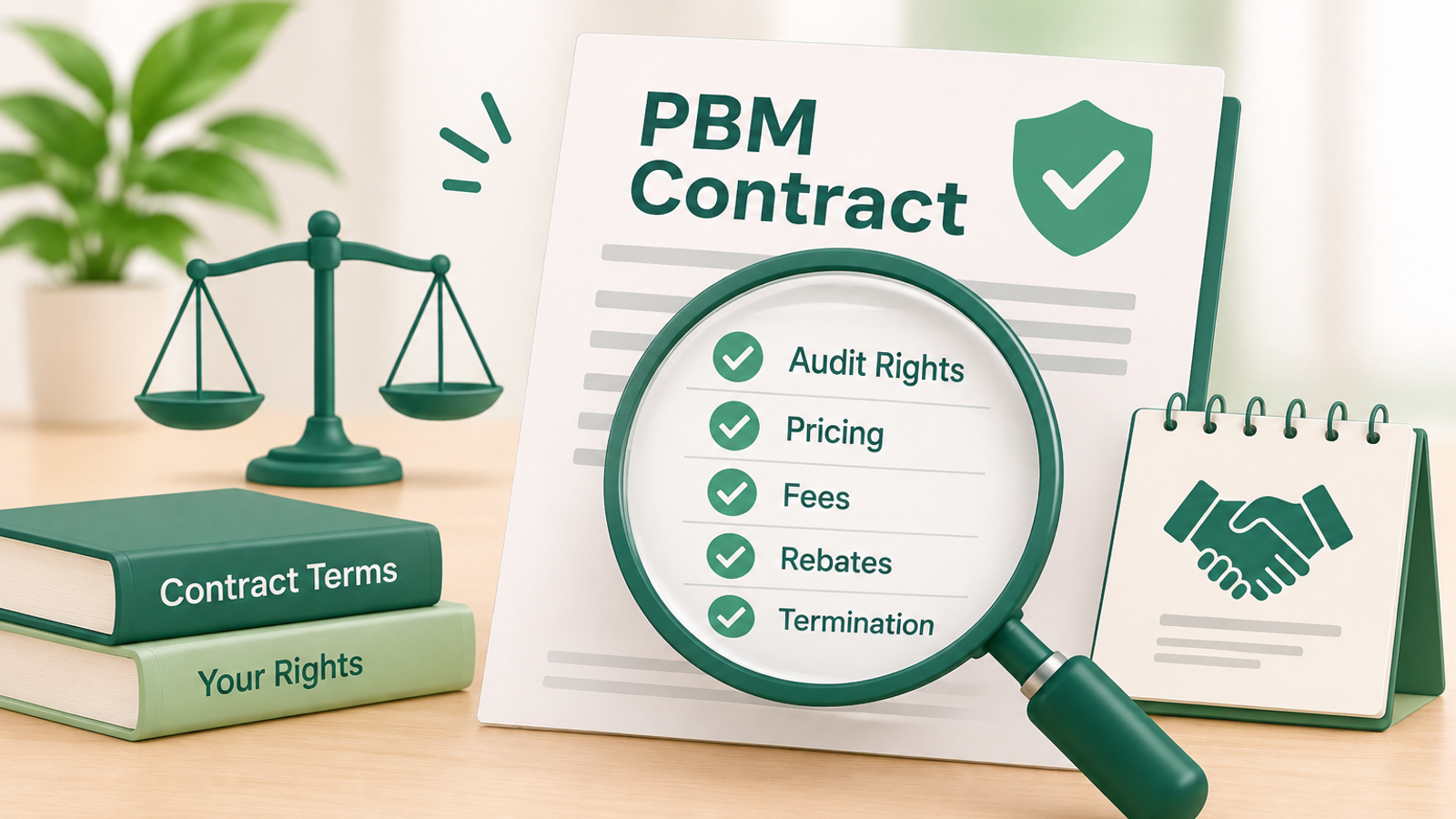
- Contract pricing terms: Spread pricing, pharmacy network terms, and guarantees can affect plan costs. Reviewing the agreement alongside claim records can help explain High Cost Prescriptions.
How Employers Can Review Specialty Drug Utilization
Reviewing specialty drug utilization involves more than looking at total pharmacy spending. Employers need to understand which medications account for the highest costs, how frequently they are prescribed, and how their use changes over time.
Identify Medications With the Highest Spending
Review which specialty medications account for the largest share of pharmacy costs. This helps employers identify where plan spending is concentrated.
Compare Prescription Volume With Total Cost
Compare the number of claims with their total cost. Even a small number of High Cost Prescriptions can have a significant effect on plan spending.
Review Formulary and Prior Authorization Rules
Check which specialty medications are covered and what approval requirements apply. Employers should understand how the PBM follows the plan's coverage rules.
Examine Specialty Pharmacy Use
Review which specialty pharmacies are included in the plan's network and how their reimbursement arrangements affect pharmacy costs.
Track Changes in Utilization Over Time
Compare prescription volume and medication costs across reporting periods. This helps employers understand changes in Specialty Drug Spending.
Improving Visibility Into Specialty Pharmacy Costs
Employers need reliable information to understand pharmacy spending and assess whether their PBM follows the contract. Summary reports show broad trends, but claim-level data provides detail about prescriptions, reimbursement, fees, and adjustments. For self-funded employers, visibility into Specialty Drug Spending makes it easier to review the financial impact of individual claims. Kanurra’s self-funded PBM approach emphasizes visibility into claim-level pricing and plan costs.
- Request claim-level reporting: Confirm reports include the drug, quantity, date, pharmacy, amount charged to the plan, and relevant adjustments.
- Separate fees from drug costs: Ask the PBM to identify administrative and specialty program fees separately. This shows what the plan pays for medication and related services.
- Review net cost and rebate credits: Compare gross claim costs with rebates and other credits. Check the contract to understand how and when rebate amounts are credited.
- Check audit and data rights: Review access to claims, pricing records, and rebate reports. Kanurra’s PBM audit checklist outlines areas employers can examine.
- Compare pricing with contract terms: Use the contract, invoices, and claim files to investigate unclear charges. Kanurra’s PBM pricing page explains why transparent pricing matters. Reviewing these records can help employers investigate High Cost Prescriptions.
Conclusion
Specialty medications can affect a self-funded plan significantly, even when they represent a small share of prescription volume. Employers can better understand this spending by reviewing claim costs, pharmacy reimbursement, fees, rebate credits, utilization, and contract terms. This supports informed oversight without putting cost ahead of appropriate member care. Kanurra helps self-funded employers examine pharmacy benefit costs through claim-level pricing visibility and clearly defined fees. Reviewing the underlying data can help employers ask better questions about how their PBM manages specialty medications and reports plan costs. To understand how your arrangement handles these claims, request a PBM audit today.
Frequently asked questions
Why do specialty drugs cost more than regular prescription medications?
Specialty drugs may involve complex manufacturing, special storage, limited alternatives, and ongoing clinical support, which can increase their costs.
Why can a small number of specialty prescriptions affect a health plan's costs?
Individual specialty prescriptions can be expensive, so even a few claims can account for a significant share of total pharmacy spending.
How can employers monitor specialty drug spending?
Employers can review claim-level reports, prescription volume, drug costs, pharmacy reimbursement, and changes in utilization over time.
How do PBMs manage specialty drug costs?
PBMs manage specialty drug coverage through pharmacy networks, formulary rules, prior authorization, and claim pricing arrangements.
What should employers check when reviewing high-cost prescriptions?
Employers should review the amount charged to the plan, pharmacy reimbursement, dispensing fees, rebate credits, and applicable contract terms.
Written by
Kanurra